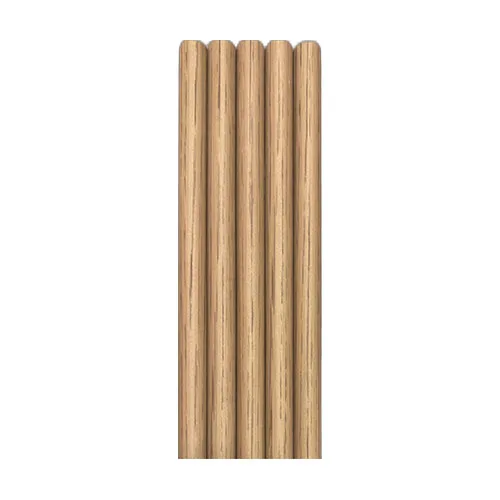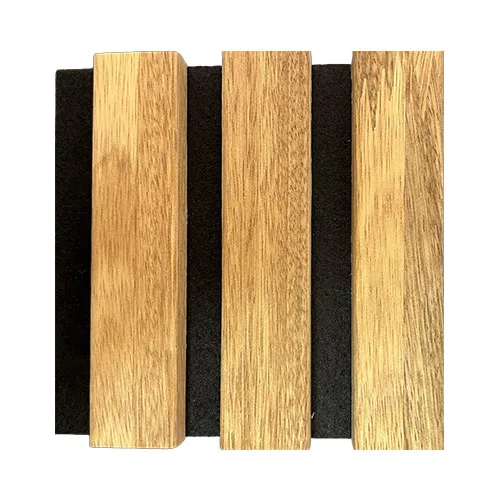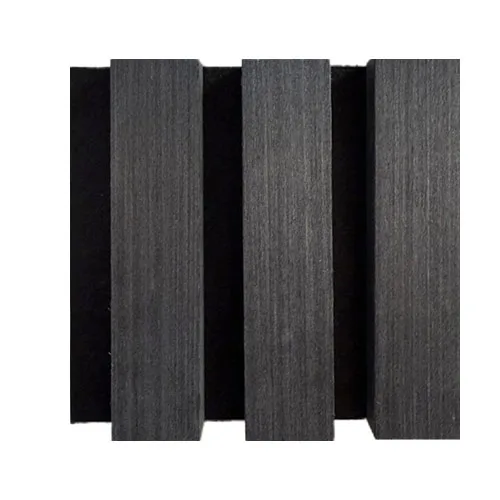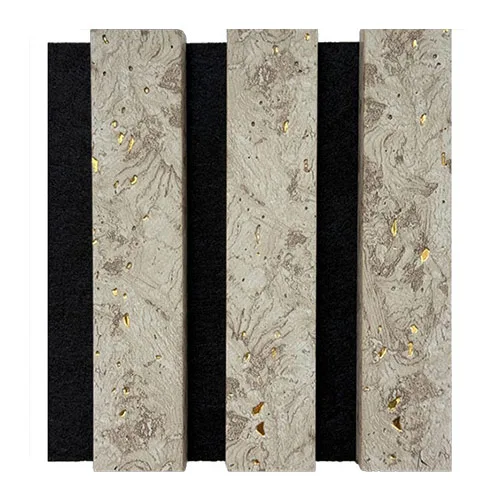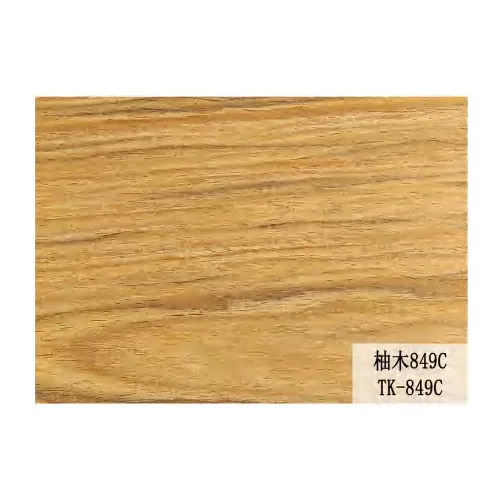

In modern architectural design, the facade not only fulfills functional requirements but also directly determines the building's character and image. The warm texture of natural wood has always been favored by designers, but in real outdoor environments, cracking, fading, corrosion, and high maintenance costs remain unavoidable problems.
Outdoor wood-plastic composite (ASA) wall panels were born against this backdrop-combining the appearance of wood with engineering-grade material performance to provide outdoor buildings with a more stable and durable exterior wall option.
SA Coating, Designed for Outdoor Use
The wall panel surface features a co-extruded ASA protective layer. ASA, a highly weather-resistant engineering resin, is widely used in construction and industrial applications where the building is exposed to the elements for extended periods, offering excellent UV resistance and anti-aging properties.
In environments with strong sunlight, rain, snow, high humidity, or frequent temperature fluctuations, the ASA coating effectively delays fading and chalking, maintaining a stable color and texture for the wall surface over the long term, ensuring the building facade remains consistent year after year.
This is not merely surface decoration; it provides reliable protection for outdoor use from the very source of the materials.
Wood-Plastic Composite Substrate: Stable and Non-Deformable
The wall panel substrate uses a wood-plastic composite structure, combining the visual temperature of natural wood powder with the stability of polymer materials. Compared to solid wood, wood-plastic materials are more suitable for large-area, long-term outdoor applications:
Less prone to cracking and deformation
Resistant to moisture, insects, and mold
Dimensionally stable, suitable for overall wall mounting
While maintaining a wood-like appearance, it truly solves the durability problem for outdoor use.